Senior Care Issues Families Face
The issues outlined below impact the lives of seniors every day and are just a few of the reasons why families look to Home Instead Senior Care to meet their home care needs every day.
Cooking Under Pressure
The Home Instead Senior Care network is arming seniors and family caregivers with nutrition resources for healthy aging.
Healthy aging is a goal we all share and, for seniors, a well-balanced diet can be even more important. Good nutrition is the first line of defense for older adults who are striving to maintain their independence as they age, helping to protect them from illness and disease.
Achieving a well-balanced diet is not as easy as it sounds, though. The physical limitations of aging often make shopping, cooking and dining a challenge for many seniors who want to stay healthy.
Mobility problems aggravated by conditions such as arthritis can keep seniors away from the grocery store where they would find healthy options for their daily menus. Medications and certain illnesses often cause older adults to lose their appetites. And the death of spouses and friends may isolate seniors, leaving them with little interest in the pleasures of dining at home or eating out at restaurants.
Inability to shop and cook can be major challenges to eating healthy, especially among recently hospital-discharged older adults, said Dr. Nadine Sahyoun, associate professor of Nutrition and Food Science in the University of Maryland College of Agriculture and Natural Resources, who has extensively studied the impact of issues such as dental health, social support and depression on seniors’ diets. Physical functioning is very important to the quality of food that is in the home and to the meals that are prepared, she added.
Awareness begins with identifying the warnings signs that seniors are not eating properly. These are the first alerts to warn family caregivers of the potential hazards that their senior loved may be facing if they are not eating properly.
Family caregivers have their own challenges. Their busy schedules helping Mom and Dad with shopping and meal preparation often turn their lives into a pressure cooker of stress. According to Home Instead Senior Care research: An estimated 83 percent of family caregivers help with groceries or other errands; 65 percent assist with meal preparation.
Cooking Under Pressures Program
The importance of nutrition to healthy aging is why Home Instead Senior Care has launched the Cooking Under Pressure nutrition campaign. This program provides education and support to seniors and their family members who are sometimes stressed-out by the demands of caregiving.
Partnering with nutrition experts at the University of Maryland and Duke Diet and Fitness Center (part of Duke University Medical Center), the company has developed a handbook of nutrition tips as well as healthy and interesting recipes that can spice it up for most any senior. The program will assist family caregivers who want to get organized by providing shopping tips and 12 food staples that older adults shouldn’t live without.
What’s more, Cooking Under Pressure will help seniors and their family caregivers tune into the dangers of malnourishment, one of an older adult’s most deadly enemies. Now is a great time to wage the war on aging. It all begins with great food and the support seniors need to make mealtimes a pleasant and healthy experience.
Advice On Family Caregiving
At Home Instead Senior Care Toronto, we know that caring for a senior isn’t always easy.
Every day, all across the country, people juggle the demands of their busy lives. Jobs, children, and dozens of other activities all compete for time. And then mom or dad gets sick or otherwise needs in-home help.
These seniors’ adult children – the ones who often end up as their caregivers – are referred to as the “sandwich generation,” caught between providing for their own young families and assisting their aging parents. They’re already stretched to the limit, with one quarter of all U.S. adults currently caring for an aging parent, relative or spouse. What’s more, a recent national survey done by Home Instead Senior Care indicated that 72 percent of these family caregivers have no help.
And this strain shows no sign of easing. That’s largely because of numbers; by the year 2030, 70 million Americans – 20 percent of the population – will be over the age of 65.
The person responsible for providing informal care for family members is called – logically enough – the “family caregiver.” In the majority of cases, this person is either the family’s eldest daughter, or the grown child who lives the closest to the parent or relative needing care. Spouses also play an important role here; in fact, they comprise almost half of all family caregivers in the U.S.
Today, I’d like to talk with you about some of the issues involved in family caregiving and share some related wisdom from Home Instead Senior Care – all of which can help make the job of serving as a family caregiver a bit easier and less stressful.
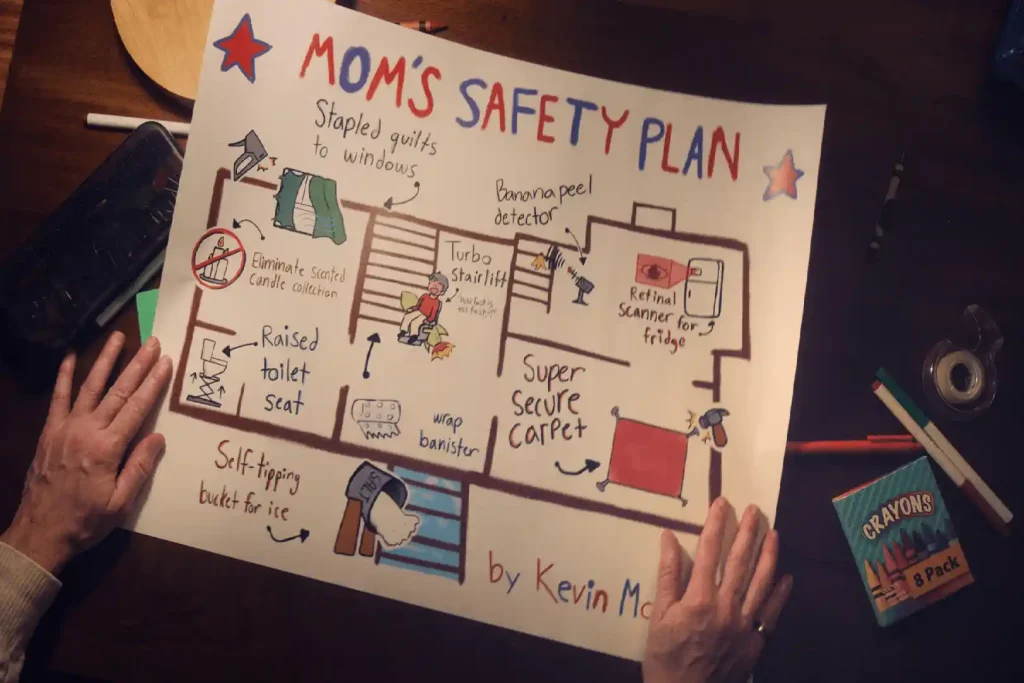
First, here are some practical suggestions for helping a senior remain safe at home:
- Keep the environment simple and uncluttered.
- Look for – and eliminate – dangerous objects and situations (burning matches, cigarettes, or candles; tripping hazards such as electrical cords and throw rugs; and sharp or breakable objects).
- Keep these and other similar substances out of reach or locked up: cleaning or art supplies; medications; poisonous houseplants; or anything else that may be harmful if swallowed.
- Use nightlights in halls, bedrooms and bathrooms, and use guardrails on beds.
- Install grab bars and non-skid tape in bathroom tubs and showers.
And, on a related subject, those serving as family caregivers often find that the issue of communicating with an elderly loved one poses a challenge – one that requires patience and understanding. In many cases, they’ll even find that prior adult-child roles are reversed, with the younger family member assuming more “parental” roles – a circumstance that can create problems. And, of course, working with a senior who has Alzheimer’s disease or dementia can further complicate the situation.
A family caregiver for an older parent or relative should always remember one simple rule when communicating with seniors: speak respectfully. This is because while seniors may not understand exactly what is being said to them, they will recognize if a person is speaking in a condescending or disparaging tone.
And when communicating with a senior having Alzheimer’s disease or other dementias – which can be a challenging prospect – a caregiver should use familiar terms and concrete words. Declarative sentences should be short and simple, while questions should require the senior to give a “yes-no” response or choose from a selection of simple answers.
But what’s to be done when verbal communication with a senior produces no response, or an unwelcome one? Well, it’s a good practice for the caregiver to redirect the senior or the situation; this can be done by taking a walk or offering a snack, or by using an alternative means of “communication” such as listening to favorite music or watching a familiar TV program. And if a senior has a verbal outburst of any type, this is best ignored, since it will help keep the caregiver from becoming angry unnecessarily.
And with that, let’s give some much-deserved consideration to the needs of those individuals providing care to seniors. Full-time caregivers, or those who are heavily involved in the caregiving process, must guard against the effects of burn-out and stress. In fact, according to a recent Home Instead Senior Care survey, 31% of family caregivers would like more help and 25% resent other family members who don’t help out more.
In addition, the basic stresses of family caregiving can be exacerbated when a caregiver has other responsibilities such as a job; children; a busy social life; some distance to travel to provide care for an aging parent or relative; and so on. Moreover, caregiving can be particularly hard for a spouse, especially when the care recipient requires around-the-clock assistance.
So, it’s not surprising to find that most family caregivers struggle to balance the task of caring for an aging parent or relative with other major life responsibilities. This often means that these caregivers have little time left to care for themselves – which can result in their experiencing high stress levels and resultant health problems. In fact, according to this same survey, 55 percent of family caregivers appear to have average or significant levels of stress.
The problem, of course, is that when caregivers neglect self care, they end up incapable of taking care of the senior loved ones who need their help in the first place. Recently, Home Instead Senior Care and Caring Today Magazine held an essay contest – one that, not surprisingly, had the theme of caregiving. One prize-winning entry put it very succinctly: “A worn-out caregiver is good to no one.”
So here are some excellent tips for caregivers to avoid or manage stress. These were compiled by Home Instead Senior Care’s Advisory Board of senior care experts, which includes company CEO and Co-Founder Paul Hogan:
- Work out for 20 minutes at least three times per week, and consider learning a stress-management exercise such as yoga or tai-chi.
- Eat well – plenty of fresh fruits, vegetables, proteins, including nuts and beans, and whole grains.
- Meditate. Sit still and breathe deeply with the mind as “quiet” as possible.
- Attend to personal medical needs. Get annual check-ups and other treatment as necessary. Being a caregiver provides numerous excuses for skipping doctor’s visits, but this absolutely should not happen.
- Get help from family members, friends, volunteers, or professional non-medical caregivers.
- Find a local caregiver support group to help understand the experiences and feelings associated with family caregiving.
To learn more even about caregiver stress – including signs and symptoms, and other ways of dealing with this problem – just log on to our www.caregiverstress.com Web site. Visitors to this site can even take a very enlightening 20-question online test to determine their personal levels of caregiving-related stress.
So if you ever want to know more about caregiving; if you’d like to learn more about our services; or if you’re interested in employment as a Home Instead caregiver, please contact our office
Night Fright
When the Sun Goes Down, Older Adults’ Fears Often Take Over
An 86-year-old woman is suffering from dementia. During the day, it regularly sends her into states of confusion. But at night, this senior’s situation worsens considerably. She’s terrified in the dark, often not knowing where she is or whom she’s with. Across the city, another older adult also fears nights. She wonders who might know she’s alone, and if they’ll break into her house and rob her – or worse.
Whether the causes are physical, psychological or related to a disease such as Alzheimer’s or other dementia, the Home Instead Senior Care network has found that nighttime can be very frightening for seniors – especially those who live alone. Many problems that occur at night with seniors are rooted in physical changes that result from aging, many of which are often connected to sleep disorders.
In a 2005 Gallup poll of 1,000 adults over age 50, less than half surveyed (32 percent) reported getting a good night’s sleep all seven days of the week. Yet respondents ranked good sleep as more important even than interpersonal relationships.
The Gallup study revealed a number of factors – including worry – that help explain these sleep problems, according to Dr. Harrison Bloom, senior associate and director of the Clinical Education Consultation Service of the International Longevity Center – USA , in New York City. Bloom, a geriatrician, wants to help seniors and home health care providers identify solutions for sleep-related disorders in older adults. Home Instead Senior Care already knows of one: elderly companionship.
“The seniors we serve often face challenges at night that disturb their sleep and peace of mind,” said Paul Hogan, CEO of Home Instead Senior Care. “Our Care Pros are regularly called upon to provide overnight care for seniors and assist them with the anxiety that often sets in at night.”
Seniors’ sleep problems can be rooted in many sources. “There are physiological changes occurring with age, such as decreased amounts of time spent in certain stages of sleep,” Bloom said. “And many also have diseases that make sleep difficult. For instance, people who suffer from congestive heart failure can’t rest in a flat position. For others, the pain of arthritis keeps them awake. Medications for certain diseases can affect sleep. And bladder or prostate problems prompt many people to get up for bathroom breaks. These types of interruptions can fragment sleep.”
Dr. Sonia Ancoli-Israel, professor of psychiatry at the University of California at San Diego and director of the Sleep Disorders Clinic at the Veterans Affairs San Diego Healthcare System, agrees that it’s not necessarily the aging process that disturbs sleep, but rather the many physiological changes that accompany getting older. “In addition to those medical illnesses and medications common in older adults, there can be psychiatric problems and changes in circadian rhythms.”
These rhythms help determine when we sleep, and they change as we age. Ancoli-Israel conducted a study five years ago that exposed patients with dementia living in nursing homes to either morning or evening bright light in an effort to adjust the body’s circadian rhythms. Both techniques improved nighttime sleep.
But although research is helping to identify solutions, statistics indicate that more seniors are seeking medical remedies to their sleep problems. Between 2000 and 2004, use of prescription insomnia drugs rose by 16 percent among people 65 years and older, according to an analysis recently released by the prescription management firm Medco Health Solutions of Franklin Lakes, NJ.
While there are certainly any number of sleep aids on the market, sleep medications might not be the best answer for all older adults, according to Dr. Sharon Brangman, professor of medicine and division chief, geriatrics, at SUNY Upstate Medical University in Syracuse, NY. They may make seniors confused and disoriented – symptoms that, in particular, should not be exaggerated in seniors who already suffer from them due to Alzheimer’s disease or other dementias. And those symptoms can wreak nighttime havoc in the lives of both seniors and their family caregivers.
“I have an 80-year-old Alzheimer’s patient who is very anxious and nervous during the afternoon,” Brangman said. “She then naps in front of a television in the evening and doesn’t want to sleep at night. Her husband – her primary caregiver – is exhausted by the end of the day but he’s afraid to sleep at night because she might wander. When she does go to sleep, he often lets her sleep until noon. We encourage him not to let her sleep during the day, and suggest activities for her and respite breaks for him.”
While the issues of older adults with dementia-related illnesses are very different from those faced by seniors with sleep disorders and physical ailments, all of these factors contribute to psychological anxiety seniors may experience at night.
“Many seniors undoubtedly are anxious because they know it’s harder to reach help at night,” Ancoli-Israel said. “There’s also more time to think about all of the things that might be going wrong.”
This is one of the most important reasons why companionship can be such a help in dealing with these nighttime anxiety problems, according to Hogan.
“The 86-year-old woman with dementia we were introduced to at the beginning of the story – when she awoke at night, she was promptly reassured by her overnight caregiver,” Hogan said. “As for the woman who was constantly afraid of her home being broken into at night, efforts were made to secure her home, to include adding lighting at the front and back of her house. It’s those kinds of ‘extras’ that can mean the difference between seniors having peace of mind, or of being afraid in their own homes.”
Running on Empty
New Home Instead Senior Care Survey/Web Data Indicate Stress Takes a Dramatic Toll on Those Caring for Older Adults
She awakens in the morning still exhausted after a fitful night of sleep and immediately feels overwhelmed. There’s the report due at work today that she hasn’t had time to prepare, her son’s afternoon soccer practice and a school board meeting that night.
And, she’s also a family caregiver for a senior – meaning she has to find time for her mother, who’s 84-years-old and lives at home alone.
Her mother can’t drive anymore, or reach into the cupboard to pull out a cereal box, or even see well enough to take her correct medication dosages. And today, just like yesterday, there are no easy answers about how to fit her mom into the never-ending juggling act that, for her, is just a typical day.
This is the life of the family caregiver – who totals one in every four Americans, according to various studies. New evidence and interviews with long term care family caregivers reveal a disturbing trend of the debilitating stress that often accompanies this role, although most still say that, in spite of the challenges, the job also comes with many rewards.
A recent stress test conducted by Home Instead Senior Care demonstrated that of the 8,000 family caregivers who participated, more than three-fourths (76 percent) reported their aging loved one’s needs to be overwhelming, 91 percent said they have episodes of feeling anxious or irritable, 73 percent have disturbed sleep patterns and 56 percent seem to become ill more frequently.
“Every day we encounter these family caregivers who love and want the best for their aging family members, but don’t know how to fit it all in,” said Paul Hogan, CEO of Home Instead Senior Care. “For these people, stress is a constant companion.”
The following stories are but a few true-life family caregiving stress examples.
Arlene Romilly, a nurse practitioner from Pittsburgh, PA, moved her parents into her home prior to her mother’s death in September of 2005, and her 90-year-old father still lives with her.
“It became so stressful as my mom’s memory faded and she could no longer cope with daily activities without direction,” Romilly said. “And my father just wasn’t capable of being a caregiver. This created distraction for me at work. I had problems sleeping and was neglecting my own health care. For a while, I was treated for depression.”
Things are better now that Romilly has a Home Instead Senior Care caregiver to look out for her father while she’s at work. But in spite of the challenges, she believes the joys of elder care caregiving helped balance out the stress. “I was pleased to be able to care for my family,” she said.
And Cat Tenorio, of Grass Valley, CA, had just been promoted to a new position at her accounting job when she gave it up to care for her mother, who was suffering from Alzheimer’s disease.
“As my mother’s Alzheimer’s worsened, I had to move her into my bedroom because she was wandering,” Tenorio said. “Consequently, I didn’t sleep at night, and when she would sleep during the day, I would take sleep medication so I could, too. I gradually became addicted to it.”
That’s when Tenorio’s husband had to step in and say, “We can’t do this anymore.” They moved her mother to a convalescent home, where she was comfortable until she died three months later. And instead of going back to her accounting career, Tenorio became a Home Instead caregiver so she could help others in elder care situations similar to hers.
These examples each illustrate how extremely important support is to the overall equation – it’s one of the key survival tools for any family health care caregiver.
According to Patricia Volland, MSW MBA, senior vice president of The New York Academy of Medicine and director of the Academy’s Social Work Leadership Institute , “This generation of seniors is living longer, and their children often are still raising families. They’re not prepared for their older parents’ needs, and the dynamic between adult children and aging parents is not a simple one.”
In an effort to better prepare the social workers they train, Volland and her team commissioned a study, released late last year, entitled “Squeezed Between Children and Older Parents: A Survey of Sandwich Generation Women”1. The poll, which surveyed women ages 35 to 54, showed that more than 60 percent of women concerned about an aging relative’s health said they have difficulty managing stress, compared with 48 percent of women for whom an aging relative’s health was not a concern.
Women concerned about an aging relative’s health were about three times more likely (34 percent) to say they worry “a great deal” about having enough time for family than those who were not responsible for the care of an aging loved one (12 percent).
“Working through the maze of helping a loved one can be more than a full-time job,” Volland said. “Social workers are uniquely trained to provide comprehensive care coordination. This begins with a comprehensive assessment, which includes identifying resources, managing the complexity of the relationships between the many care systems people encounter such as health, payment, and formal and informal supportive services, as well as dealing with family dynamics.”
Social workers and other senior care experts often recommend resources like Home Instead Senior Care to help the elderly remain independent and their family caregivers manage stress. Home Instead Care Pros provide older adults companionship and assistance with meal preparation, light housekeeping, medication reminders, shopping and errands – thus providing a valuable respite for weary family caregivers, as well.
“Our services can be just what harried family members need to help fill in caregiving gaps they may be experiencing, as well as to alleviate the stress and worry that caregiving can bring to their lives,” said Hogan. “Most family caregivers agree that there are many rewards associated with this job, and that additional support can make all the difference.”
Caregiver Survival Tools
If you’re currently experiencing caregiver stress, try the following senior services survival tools recommended by Home Instead Senior Care:
- Work Out: Exercise and enjoy something you like to do (walking, dancing, biking, running, swimming, etc.) for a minimum of 20 minutes at least three times per week. Consider learning a stress-management exercise such as yoga or tai-chi, which teaches inner balance and relaxation.
- Meditate: Sit still and breathe deeply with your mind as “quiet” as possible whenever things feel like they are moving too quickly or you are feeling overwhelmed by your responsibilities as a caregiver. Many times you will feel like you don’t even have a minute to yourself, but it’s important to walk away and to take that minute.
- Ask for Help: To avoid burnout and stress, you can enlist the help of other family members, friends, and/or consider hiring a professional non-medical caregiver for assistance. There is no need to feel guilty for reaching out.
- Take a Break: Make arrangements for any necessary fill-in help (family, friends, volunteers or professional caregivers). Take single days, a weekend, or even a week’s vacation; just make sure you line up your support system so you can be confident that your loved one is safe and happy. And when you’re away, stay away. Talk about different things, read that book you haven’t been able to get to, see a movie. Only a real break will renew and refresh you.
- Eat Well: Eat plenty of fresh fruits, vegetables, and proteins – including nuts and beans – and whole grains. Indulging in caffeine, fast food and sugar as quick “pick-me-ups” also produce quick “let-downs.”
- Take Care of Yourself: Just like you make sure your loved one gets to the doctor regularly, make sure you get your annual check-up. Being a caregiver provides many excuses for skipping your necessary check-ups, but you cannot and should not compromise your health.
- Indulge: Treat yourself to a foot massage, manicure, nice dinner out or a concert to take yourself away from the situation and to reward yourself for the wonderful care you are providing to your aging relative. You shouldn’t feel guilty about wanting to feel good.
- Find Support: Find a local caregiver support group, which will help you understand that what you are feeling and experiencing is normal for someone in your position. This is a place to get practical advice from people who are in your situation and to bounce off those feelings of stress, since everyone is likely to be in the same situation and can empathize.
For more helpful tips and information, visit www.caregiverstress.com.
Depression in Seniors
Depression in Seniors Can Lead to Illness, Diabetes
A senior whose wife died last year after 55 years of marriage has been struggling with depression. His daughter is concerned that he will become ill, but he has assured her that everyone who loses a long-time spouse is depressed, and that she should just give him time.
Home Instead Senior Care has found that while he’s certainly right that losing a spouse can be one of the most difficult stages in life – and that time often helps heal a broken heart – his daughter is also right. Depression can, in fact, lead to illness in older adults, and there are studies to prove it.
According to the April 23, 2007, issue of Archives of Internal Medicine (a JAMA/Archives journal), older adults who experience symptoms of depression – whether they have occurred only once; increased in frequency or intensity; or just remained steady over a 10-year period – may be more likely to develop diabetes than are those without depressive symptoms.
The study, conducted by the Feinberg School of Medicine at Northwestern University in Chicago, reported that two million older adults experience depression, and 15.3 percent of those over 65 have diabetes. For 10 years, study participants were evaluated annually for the presence of 10 symptoms of depression, including those related to mood, irritability, calorie intake, concentration and sleep.
At the beginning of the study, the average score was 4.5, with one-fifth of participants scoring eight or higher. During the follow-up period, scores increased by at least five points in nearly half of participants, and 234 individuals developed diabetes.
Other signs of depression include feelings of guilt, worthlessness or helplessness; decreased energy and fatigue; feelings of hopelessness or pessimism; and recurring aches and pains that don’t respond to medical treatment. The good news is that one of the best ways to fight depression is through companionship.
Though at first this may meet with some resistance, seniors should be encouraged to “reconnect” with old friends, and to establish new relationships as well. Family is a great place to start, but the neighborhood, place of faith, or local senior center are excellent sources, also.
Another option is to hire a companion helper who could take the edge off the lonely days and provide some much-needed assistance and peace of mind to an older adult, and to his or her family, as well. Home Instead Senior Care’s specially trained Care Pros are screened, bonded, insured and perfectly equipped to brighten the lives of older adults.
Gardens Brighten Seniors' Lives
Rebecca’s Garden star and Home Instead Senior Care make gardening fun for older adults
Rebecca Kolls, star of the popular syndicated television show Rebecca’s Garden, and eldercare service Home Instead Senior Care, have worked together to help seniors continue to enjoy gardening.
This dual-effort public-education campaign has sought to bring back gardening joys to seniors who have difficulty maintaining gardens, or who have given up gardening altogether due to health or age concerns. The initiative’s primary feature, a four-color gardening guide, includes lots of helpful tips and several fun, simple projects seniors can easily complete – either independently or with their families or caregivers.
Kolls, whose grandparents originally inspired her interest in gardening, credits gardens with supplying not only food and beauty, but also improved mental and physical well-being.
“There’s a nurturing aspect in gardening where you take a seed and coddle it,” Kolls said. “Seniors have given up child rearing, so gardening gives them baby plants and seedlings again. It’s a new way of caring for something.”
Home Instead Senior Care’s Care Pros – who come to the homes of older individuals and assist them with day-to-day, non-medical activities of daily living such as errands, shopping, cooking, cleaning, laundry and hobbies – can see first-hand how valuable gardening is for their clients.
“We often hear our Care Pros speak of their clients who love to care for plants and flowers, and how they see it enriching those clients’ lives,” said Home Instead Senior Care CEO Paul Hogan. “Many of our Care Pros enjoy gardening as well, and are thrilled to help seniors enjoy gardening and plant projects.”
Home Instead Senior Care strives to match its Care Pros with clients of similar interests. This allows them to build relationships through doing the things their clients enjoy most. And the company’s Activity Training Guide for Care Pros helps them generate other creative ideas to keep seniors engaged and enjoying life.
“Our Care Pros not only garden, but participate in other activities their clients enjoy, such as cooking, scrapbooking, arts and crafts, and attending performances and other cultural events,” Hogan said. “We like to involve our clients as much as we can in the interests they’ve always enjoyed.”
Another great thing about gardening as a senior activity is that it is timeless. “The beauty of the garden, if done well, will provide four seasons of color. While seniors in warmer climates can garden year-round, those in cold-weather climates should not despair,” Kolls said. “In the winter, snow catches in seed heads, and birds find refuge in shrubbery and feed off seeds from the cone flowers. So no matter where you live, there’s always something growing in the garden.”
One Container; Many Opportunities
A little creative thinking and some assistance from families or caregivers helps ensure that seniors can continue to enjoy the types of gardening they love. “Imagine growing almost everything for a recipe in one container,” Kolls said. “What a great gift idea!”
She suggests the following projects to get you started:
- Try a pizza garden! (If your senior isn’t a pizza fan, he or she might enjoy growing one for grandchildren.) Whiskey barrels work well for growing tomatoes, but can be expensive. A plastic laundry basket with holes cut in the bottom for drainage will work just as well. Plant a Roma tomato in the center, onions along the sides of the tomato and basil around the edge of the container.
- A twist on the pizza garden concept: a fresh salsa garden! It’s similar to a pizza garden, only with tomatoes, onions, hot peppers and cilantro.
- A one-pot vegetable garden is always a hit! Take three bamboo poles and make a teepee in the center of the pot. Plant beans at the base of each bamboo pole, and fill the horizontal space around the pot with carrots, beets or other favorite root vegetables (make sure your pot is at least 10 to 12 inches deep.)
Rebecca’s Senior Gardening Tips
Check out these handy tidbits on how to help the seniors achieve gardening success:
- Herbs grow anywhere and are great for seasoning. Kitchen herb gardens are wonderful for seniors. The more you pinch and pick the herbs, such as basil, parsley and chives, the more vigorous they grow.
- Think height, filler and spiller. When you’re creating flowerpots, consider height, filler and spiller. Plant a variety that will grow at least twice as tall as the container; fill in with plants that will grow to no more than half of the height of the taller plants, and then plant a variety that will cascade over the pot.
- When it comes to annuals, pack them in. When you create flowerpots, pack your annuals in because they will become root-bound and grow up and over the pots. You’ll get drama and a beautiful arrangement, according to Kolls.
- Look for equipment that can make the job easier. There are many wonderful tools available that can make gardening easier for anyone including seniors. According to Kolls, Bud-Eze tools, which can be found on the Internet, are a good option, as are bionic gloves (www.bionicgloves.com.) In addition, the Arthritis Foundation has a product and services directory for senior gardeners and others with mobility problems: log on to www.arthritis.org.
- Garden right outside your front door or back door. Container gardening allows seniors access to flowers or vegetables in one pot and also gives them the height that helps make gardening easier for them.
- Team with others to garden. If a senior can’t garden anymore, enlist the help of others who might enjoy sharing the work and the produce or flowers from the garden. Or, call Home Instead Senior Care to find a caregiver who would enjoy gardening with that person. Log on to www.homeinstead.com to find the closest office to you or your senior loved one.
NOTE: Go to www.garden.org for zone maps and other helpful advice.
Use It Or Lose It
Home Instead Senior Care Helps Keep Seniors’ Minds on the Move
Research increasingly demonstrates that keeping older adults engaged in ‘brain games’ can provide many important advantages.
“Brain games help keep aging minds young and vital,” said Paul Hogan, President and CEO of Home Instead Senior Care. “But many of today’s seniors have said goodbye to traditional ‘senior’ games like bingo. They gravitate more toward video-game technology and group activities such as Scrabble and bridge tournaments.”
A study from the University of New South Wales in Sydney, Australia published in a 2006 issue of Psychological Medicine determined that individuals with high “brain reserve” – gauged by an assessment of education, occupational complexity and mentally stimulating pursuits in preventing cognitive decline – have a 46 percent decreased risk of dementia relative to those who are classified as having low brain reserve. The study also revealed that even a late-life surge in mental activity can help ward off the effects of this terrible disease.
Unfortunately, however a deterrent for many seniors who would like to stay mentally active is lack of companionship – particularly for older adults living alone.
“Sometimes seniors just need a little encouragement from family and friends to help them pursue interests that will help keep their minds stimulated,” Hogan said. “Our Home Instead caregiver training includes a component specifically targeted to identifying client interests and coming up with ways to engage them in mental and other activities to keep them engaged and enthused about life. Consequently, our Care Pros have observed many positive life changes for the older adults in their care.”
What causes the kinds of “brain drain” that seniors most want to thwart? According to Dr. Ronald Peterson, director of the Mayo Clinic’s Alzheimer’s Disease Research Center, multiple factors apparently contribute to a sluggish senior mind.
“There is often a genetic component to Alzheimer’s , but the environment plays a role as well, Peterson said. “The cumulative effects of medical issues – vascular changes like hardening of the arteries, for instance – also contribute to dementia, and the connections between nerve cells most likely don’t work as well, either.”
Peterson has also observed that the wisdom and acquired experience seniors bring from their past to the table is often under-valued in our society – another important reason for seniors to keep both mind and body “in shape.” He also emphasizes that there are no iron-clad rules about which senior mind activities are best suited to warding off the effects of aging.
“Whether it’s a computer game, crossword or Sudoku puzzles, or reading and analyzing a newspaper or magazine – first and foremost, seniors need to enjoy whatever activities they are engaged in,” Peterson said. “If your senior does not enjoy his or her activities, they are not likely to be beneficial, whatever they are.”
Video technology has attracted many seniors’ attention. For instance, the second-annual “Evercare 100 @ 100 Survey,” sponsored by Evercare, polled one hundred Americans turning 100 or older about their practices and habits, and found that one in seven has played video games.1
Similarly, Nintendo’s Brain Age™: Train Your Brain in Minutes a Day – a video game for the portable Nintendo DS™ that features simple math and other activities – has received high marks from seniors and researchers alike.
Then there’s the company’s new Wii™ home video game system, which allows players to interactively compete in sports such as bowling and golf. It has been flying off the shelves since its release, and seniors comprise a significant percentage of its consumer market. Senior care communities around the country have even begun to host Wii tournaments.
Dr. Elizabeth Zelinski, a professor of gerontology and psychology at the Leonard Davis School of Gerontology at the University of Southern California says games such as Brain Age definitely can help keep older adults’ minds active.
“My family, including boys ages 17 and 21, has a long history of interest in video games,” she said. “Like kids, seniors now play games like chess with people all around the world. It’s all about communication. Seniors can do a great deal to maintain and even to improve their mental abilities. Today, aging is all about taking on new challenges for our minds.”
Tips for Mind-Stimulating Fun
If you’re still not sure on how you might get your senior loved one interested in pursuing some mind-stimulating activities, consult the following list of ideas from Home Instead Senior Care:
Video action. Interactive video games have become popular for family members of all ages. Some games, such as Nintendo’s Brain Age, and the new Wii home video game system, are particularly good for stimulating seniors’ minds.
Computer savvy not needed. Even seniors who are intimidated by the computer still can play online and other computer games. Why not try to help them get started playing Solitaire or joining an online bridge game?
Organize game night. Board or card games offer a great avenue for mind stimulation. Encourage your senior loved one to get a few friends together to join in the fun.
The magic of music. Many seniors were avid musicians in earlier years and some may still have pianos or other instruments in their homes. Ask them to play you a tune or challenge them to learn an instrument.
Tournament fun. Bridge and Scrabble tournaments for seniors are springing up around the country. Check with your local senior center or Home Instead Senior Care office to learn of any activities in your area. Or encourage your older adult to join a local bridge group.
Think big. Crossword, large-piece jigsaw and Sudoku puzzles are great pastimes for seniors who need a mind-stimulating activity when they are alone.
Out and about. Most communities have concerts, lectures and other pursuits that interest seniors and their families. If your loved one is able to get out, consider those.
In the news. Many seniors maintain their interest in politics and current events. For your senior’s next birthday, why not renew a subscription to a newspaper or popular news magazine, or organize a news discussion group.
Just the two of you. When it’s just you and your senior loved one, remember that there are more things you can do together than just watch television. Hasbro Inc., the largest U.S. game company, has introduced three fast versions of classic board games this year: Monopoly Express, Scrabble Express and Sorry Express. Less time to play – same great fun!
Companionship Counts. Elderly companionship is an important part of stimulating seniors’ minds. If your senior has no one to spend time with, consider hiring a home care companion such as a Home Instead caregiver. There are many people who have committed themselves professionally to help ease the challenges aging presents to older adults and to their families. They’re available, and they want to help.
Senior Makeover Tips
From Victoria Principal and
Home Instead Senior Care
According to actress and skin-care expert Victoria Principal, and Home Instead Senior Care, seniors can look and feel better from the outside in with a little help from family caregivers.
Principal says, “When you get up in the morning, look in the mirror and don’t like what you see, you can say, ‘You know, I’ve looked better before. What am I going to do about it?'”
She advises that older-adult men and women eat balanced meals, stretch and exercise every day, and remember that attitude is everything.
“How we talk to ourselves is very important. If we’re cruel to ourselves, it’s very difficult to be animated and have fun. And that makes it more difficult to take positive steps,” Principal said.
Check out the following tips for seniors, and for the caregivers who help them, from Principal and Home Instead Senior Care.
Women
- Keep hair healthy with regular cuts or trims at least once a month. Use a shampoo that doesn’t strip the hair or scalp. Follow with a leave-in or rinse-out hair rinse that coats the shafts of the hair.
- Base your wardrobe around black, brown and taupe. Think monochromatic (the same color on the top and bottom) because it elongates and slims. Use color around the face. For example, try combining a black jacket and black pants with a pink scarf.
- The skin is the largest organ of the body, so it’s important to treat it with care. Use a cleanser that doesn’t include perfume or create too many suds, but leaves your skin ready for the next step: a quality moisturizer. Remember to moisturize around the eyes, but use only a product that was created for those areas and one that won’t irritate them.
Men
- Your overall image and appearance will be much enhanced by staying clean and maintaining proper hygiene.
- Shave regularly – never using aftershave (it contains alcohol and fragrance, neither of which should be on or near your face.)
- Make sure to get a good-quality haircut at least once a month.
For elderly individuals who don’t currently have family home care providers, a Home Instead Senior Care professional caregiver can assist with the tasks necessary to help keep you looking and feeling good from the outside in.
Your local Home Instead Senior Care franchise offers services such as assistance with shopping, cooking, and household cleaning and laundry, as well as providing incidental transportation to appointments like trips to the salon or stylist.