Research increasingly demonstrates that keeping older adults engaged in mentally stimulating activities provides significant cognitive benefits. The key isn’t necessarily which specific activity seniors choose—it’s finding activities they genuinely enjoy and will sustain over time.
“Brain games help keep aging minds young and vital,” says Paul Hogan, President and CEO of Home Instead Senior Care. “But many of today’s seniors have said goodbye to traditional ‘senior’ games like bingo. They gravitate more toward video-game technology and group activities such as Scrabble and bridge tournaments.”
The Science Behind Brain Reserve
A landmark study from the University of New South Wales published in 2006 in Psychological Medicine found that individuals with high “brain reserve”—measured by education, occupational complexity, and mentally stimulating pursuits—had a 46% decreased risk of dementia compared to those with low brain reserve. Importantly, even a late-life surge in mental activity can help ward off cognitive decline.
Research on brain games shows mixed results depending on the type and intensity of cognitive training. Meta-analyses on game-based cognitive training in older adults suggest that structured mental activities can benefit certain cognitive domains, though expectations should remain realistic.
The Alzheimer Society of Canada explains how challenging your brain through varied activities supports cognitive health throughout aging.
What Affects Cognitive Health?
Dr. Ronald Peterson, director of the Mayo Clinic’s Alzheimer’s Disease Research Center, identifies multiple factors contributing to cognitive changes in seniors.
“There is often a genetic component to Alzheimer’s, but the environment plays a role as well,” Peterson explains. “The cumulative effects of medical issues—vascular changes like hardening of the arteries, for instance—also contribute to dementia, and the connections between nerve cells most likely don’t work as well, either.”
Peterson emphasizes that no iron-clad rules dictate which activities work best for preventing cognitive decline.
“Whether it’s a computer game, crossword or Sudoku puzzles, or reading and analyzing a newspaper or magazine, first and foremost, seniors need to enjoy whatever activities they are engaged in,” Peterson advises. “If your senior does not enjoy his or her activities, they are not likely to be beneficial, whatever they are.”
Variety in Mental Stimulation
Dr. Elizabeth Zelinski, professor of gerontology and psychology at the Leonard Davis School of Gerontology at the University of Southern California, notes how technology has expanded options for seniors.
“Like kids, seniors now play games like chess with people all around the world. It’s all about communication,” she observes. “Seniors can do a great deal to maintain and even to improve their mental abilities. Today, aging is all about taking on new challenges for our minds.”
UCLA Health recommends four worthwhile brain activities for older adults that balance enjoyment with cognitive benefit. The Mental Health Commission of Canada identifies six stimulating activities that help delay cognitive decline, including reading, puzzles, art, and physical exercise.
The Companionship Factor
Unfortunately, lack of companionship deters many seniors from staying mentally active—particularly older adults living alone in Toronto East neighbourhoods.
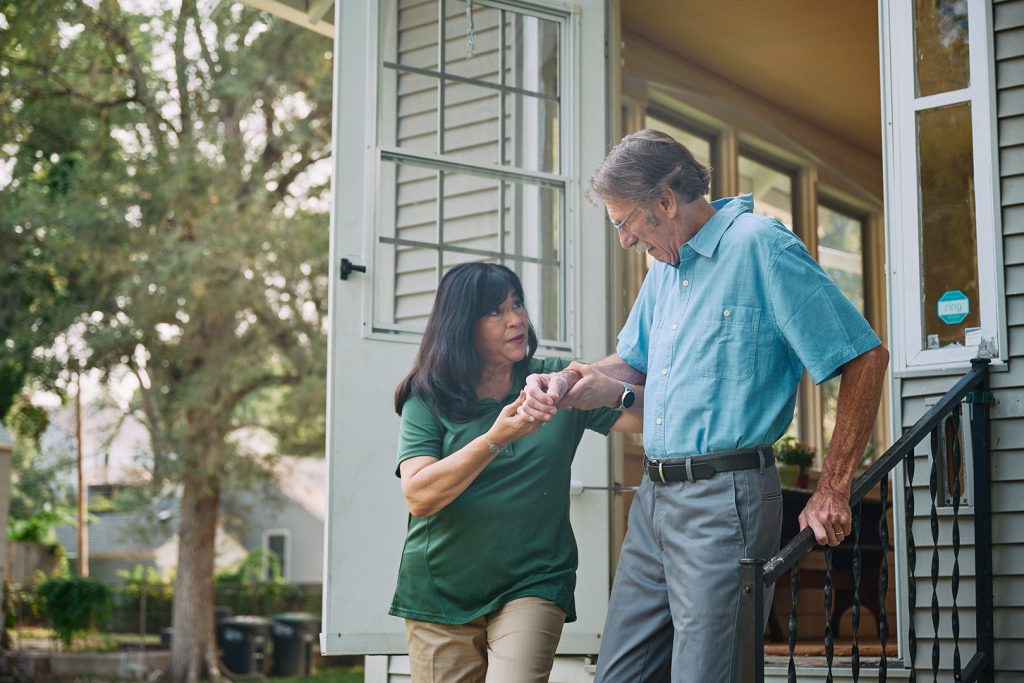
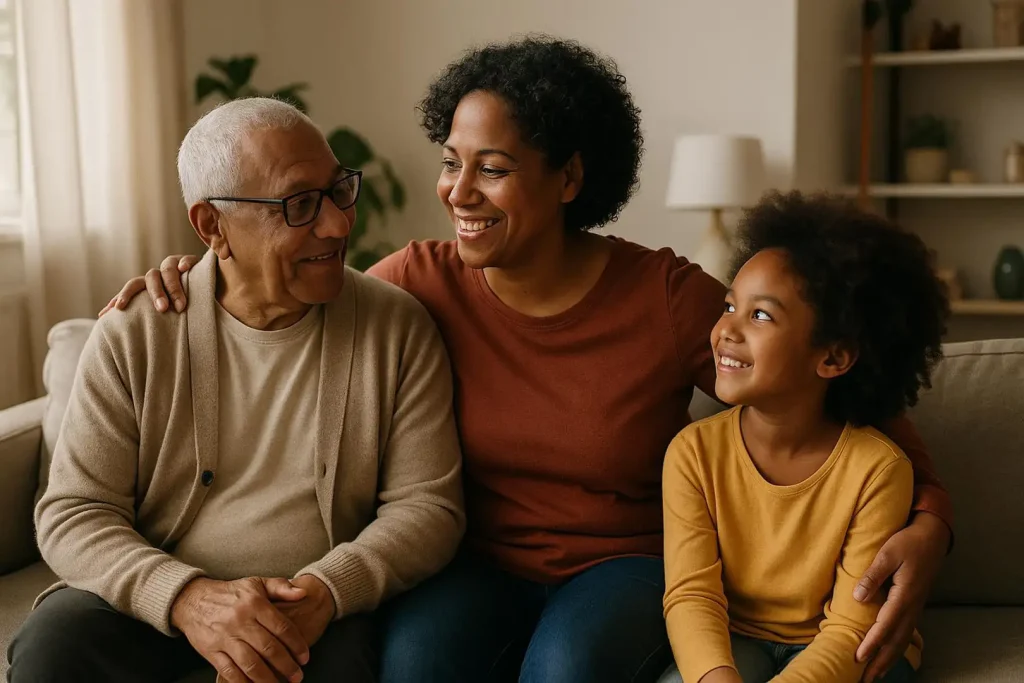
“Sometimes seniors just need a little encouragement from family and friends to help them pursue interests that will keep their minds stimulated,” Hogan notes. “Our Care Pro training includes a component specifically targeted to identifying client interests and coming up with ways to engage them in mental and other activities to keep them engaged and enthusiastic about life.”
Home Instead Toronto East Care Pros have observed many positive changes for older adults who receive regular mental stimulation and social engagement.
Activities for Seniors with Dementia
For seniors already living with dementia, structured activities remain valuable. Ohana Care offers 50+ fun and stimulating activities for seniors with dementia, adapted to various ability levels. Memory games specifically designed for dementia focus on reminiscence, sensory stimulation, and the maintenance of remaining cognitive abilities.
Practical Mind-Stimulating Activities
Video Games and Technology
Interactive video games appeal to many modern seniors. The second-annual Evercare 100 @ 100 Survey found that one in seven centenarians has played video games. Console systems like Nintendo Wii allow seniors to play virtual bowling and golf, while mobile apps offer convenient brain training. Lifeline Canada lists 10 free brain games and memory exercises accessible to seniors.
Free Online Options
Seniors intimidated by technology can start with simple browser-based games. Games for the Brain and Mind Games offer free logic, memory, and word puzzles without downloads or subscriptions. Building Brains Canada reviews online cognitive training games, including popular platforms like Lumosity.
Classic Board and Card Games
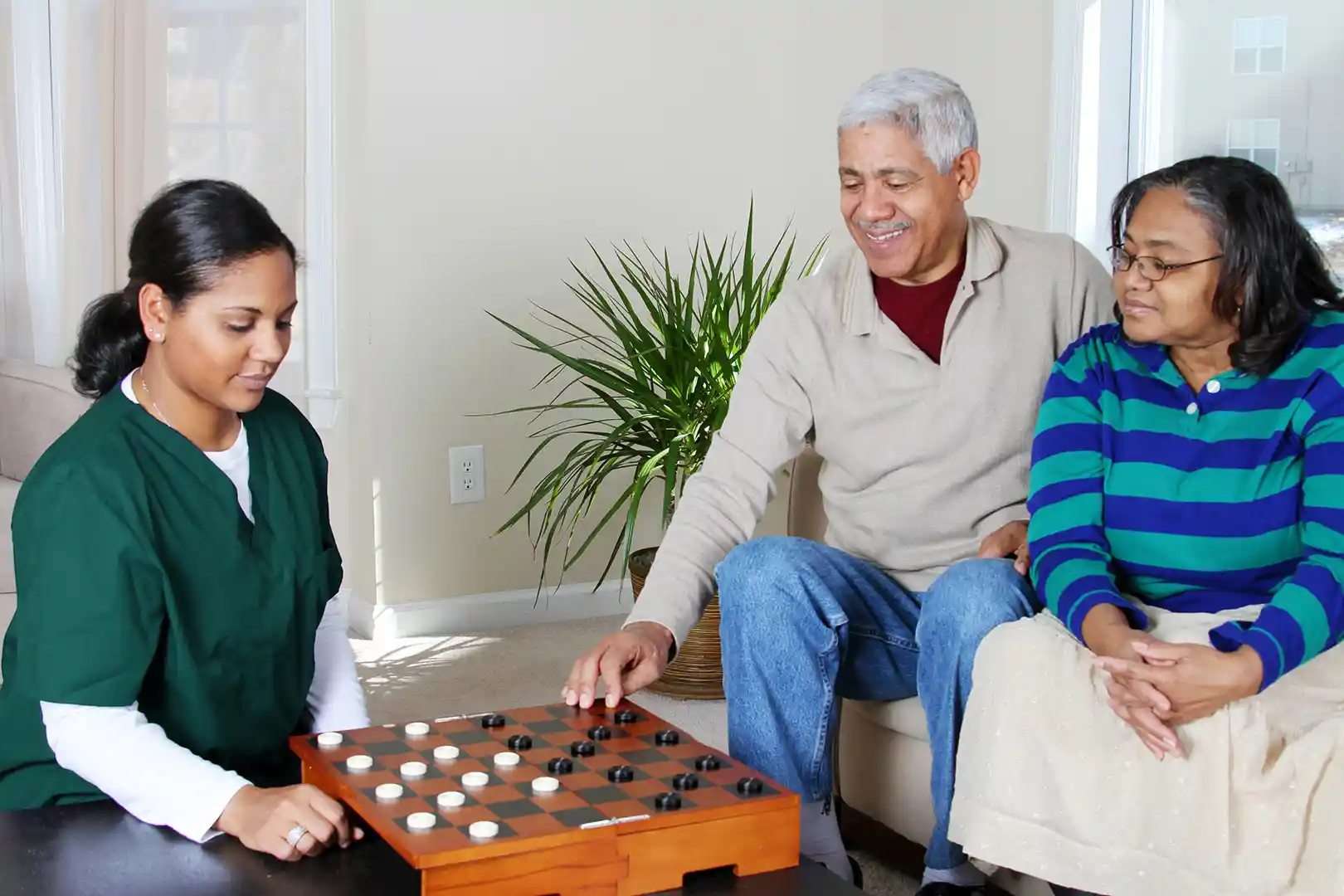
Organize regular game nights with friends or family. Board games like Scrabble, chess, and Monopoly provide social interaction alongside mental challenge. Card games—bridge, euchre, cribbage—combine strategy with memory skills.
Music and Instruments
Many seniors were musicians in earlier years and may still have pianos or other instruments at home. Learning a new instrument or relearning an old one simultaneously activates multiple brain regions.
Tournaments and Social Competition
Bridge and Scrabble tournaments for seniors are growing across Toronto. Check with local senior centers or community organizations for scheduled events that combine mental challenge with social connection.
Puzzles
Crossword puzzles, large-piece jigsaw puzzles, and Sudoku provide solitary mental stimulation when companions aren’t available. Daily puzzle books or apps offer varied difficulty levels.
Cultural Activities
Toronto East offers concerts, lectures, museum exhibits, and theatre performances that interest seniors and their families. These outings combine mental engagement with social experiences.
News and Current Events
Many seniors maintain a strong interest in politics and current affairs. Regular newspaper or news magazine subscriptions, combined with discussion groups, keep minds engaged with contemporary issues.
Reading and Discussion
Book clubs, whether in-person at libraries or virtual, provide intellectual stimulation and social connection. Analyzing literature, discussing themes, and sharing interpretations exercises multiple cognitive skills.
Professional Companion Support
Elderly companionship plays a crucial role in stimulating seniors’ minds. Peterson notes that society often undervalues the wisdom and acquired experience seniors bring—another important reason to keep both mind and body engaged.
Home Instead Toronto East companion care services match seniors with Care Pros who share their interests and can facilitate mentally stimulating activities:
- Playing board games, cards, or puzzles together
- Accompanying seniors to cultural events and lectures
- Engaging in meaningful conversations about current events
- Supporting technology use for online games or video calls
- Encouraging participation in community activities
- Providing the social interaction that makes activities enjoyable
“There are many people who have committed themselves professionally to help ease the challenges aging presents to older adults and their families,” Hogan emphasizes. “They’re available, and they want to help.”
Getting Started in The Beaches, East York, or Scarborough
If your senior loved one lives alone or seems mentally disengaged, contact us to discuss companion care options that can reignite their enthusiasm for mentally stimulating activities.
The goal isn’t perfection—it’s finding enjoyable activities that challenge the mind while bringing pleasure. With the right encouragement and companionship, seniors can maintain and even improve their mental abilities well into their later years.