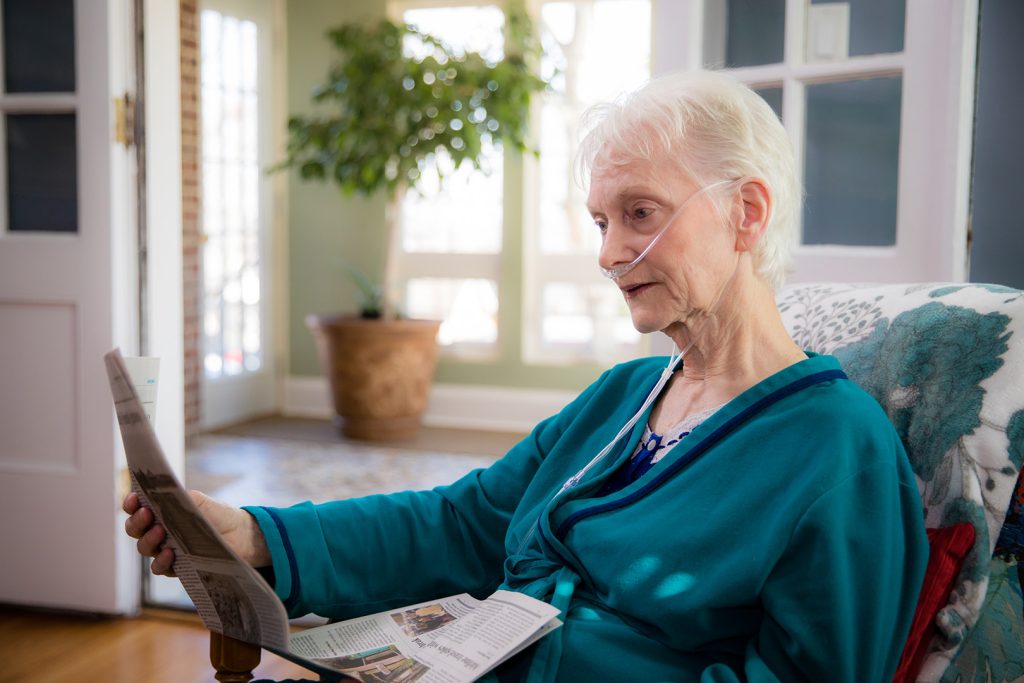

She wakes exhausted after another restless night. The work report she hasn’t finished looms over her. Her son has soccer practice this afternoon. There’s a school board meeting tonight. And somewhere in this impossible schedule, she needs to check on her 84-year-old mother, who lives alone.
Her mother can’t drive anymore. Can’t reach the cereal box in the cupboard. Can’t see well enough to take the correct medication dosages. And today, just like yesterday, there are no easy answers about how to fit her mom into the relentless juggling act that defines her life.
This is the reality for one in four Canadian adults who provide care to an aging parent, relative, or spouse. New evidence reveals a disturbing pattern: the stress accompanying family caregiving takes a severe toll, even though most caregivers insist the role also brings deep rewards.
The Numbers Tell a Concerning Story
A Home Instead Senior Care stress assessment of 8,000 family caregivers found:
- 76% reported their aging loved one’s needs as overwhelming
- 91% experience episodes of anxiety or irritability
- 73% have disturbed sleep patterns
- 56% become ill more frequently
“Every day we encounter these family caregivers who love and want the best for their aging family members, but don’t know how to fit it all in,” says Paul Hogan, CEO of Home Instead Senior Care. “For these people, stress is a constant companion.”
The Canadian Centre for Caregiving Excellence provides comprehensive resources to help family caregivers navigate these challenges. The Ontario Caregiver Organization offers education, a helpline, and practical tools specifically for Ontario families.
Real Stories from Family Caregivers
Arlene’s Experience
Arlene Romilly, a Pittsburgh nurse practitioner, moved her parents into her home before her mother died in 2005. Her 90-year-old father still lives with her.
“It became so stressful as my mom’s memory faded and she could no longer cope with daily activities without direction. My father wasn’t capable of being a caregiver. This created a distraction at work. I had problems sleeping and was neglecting my own health care. For a while, I was treated for depression.”
Professional support made the difference. Now a Care Pro helps look after her father while Arlene works. “I was pleased to be able to care for my family,” she reflects, noting that the joys of caregiving helped balance the stress.
Cat’s Story
Cat Tenorio of Grass Valley, California, had just been promoted in her accounting career when she gave it up to care for her mother with Alzheimer’s disease.
“As my mother’s Alzheimer’s worsened, I had to move her into my bedroom because she was wandering. Consequently, I didn’t sleep at night, and when she would sleep during the day, I would take sleep medication so I could, too. I gradually became addicted to it.”
Her husband finally intervened: “We can’t do this anymore.” They moved her mother to a care facility where she was comfortable until her death three months later. Instead of returning to accounting, Cat became a Care Pro to help others facing similar situations.
These stories illustrate how critical support becomes to caregiver survival.
The Sandwich Generation Challenge
Patricia Volland, MSW MBA, senior vice president of The New York Academy of Medicine, explains the dynamic: “This generation of seniors is living longer, and their children often are still raising families. They’re not prepared for their older parents’ needs, and the dynamic between adult children and aging parents is not a simple one.”
Volland’s team surveyed women ages 35 to 54 for their study “Squeezed Between Children and Older Parents: A Survey of Sandwich Generation Women.” The results showed that more than 60% of women concerned about an aging relative’s health have difficulty managing stress, compared with 48% for whom this wasn’t a concern.
Women responsible for aging relatives were three times more likely (34%) to worry “a great deal” about having enough time for family than those without this responsibility (12%).
The Government of Canada provides practical tips for balancing work and caregiving responsibilities, recognizing that these challenges have become increasingly common.
The Health Cost of Neglecting Self-Care
When caregivers neglect themselves, they become unable to help the loved ones who need them. The consequences include:
- Chronic sleep deprivation
- Untreated health conditions
- Depression and anxiety
- Social isolation
- Physical exhaustion leading to illness
The Public Health Agency of Canada’s self-care guide for caregivers directly addresses these health impacts. Additional provincial resources include the Government of New Brunswick’s self-care information and BC’s caregiver self-care guide.
Support Resources in Toronto
“Working through the maze of helping a loved one can be more than a full-time job,” Volland notes. Social workers and senior care experts recommend professional support to help elderly adults remain independent while their family caregivers manage stress.
The City of Toronto offers senior caregiver support programs, including respite services and financial assistance. Ontario Health atHome provides connections to helplines and provincial supports.
brainXchange aggregates caregiver support resources, including Alzheimer Society programs and dementia-specific supports useful for all caregivers.
Caregiver Survival Tools
If you’re experiencing caregiver stress, try these practical strategies:
Work Out
Exercise for 20 minutes at least three times weekly—walking, dancing, biking, swimming, whatever you enjoy. Consider yoga or tai chi for stress management and inner balance.
Meditate
Sit still and breathe deeply whenever things feel overwhelming. You’ll feel like you don’t have a minute to yourself, but taking that minute is essential.
Ask for Help
Enlist other family members, friends, or hire professional non-medical caregivers. There’s no need to feel guilty for reaching out.
Take a Break
Arrange fill-in help through family, friends, or professional Care Pros. Take a single day, a weekend, or a full week’s vacation. When you’re away, truly stay away—only a real break will renew you.
Eat Well
Focus on fresh fruits, vegetables, proteins (including nuts and beans), and whole grains. Caffeine, fast food, and sugar provide quick energy but lead to crashes.
Attend to Your Health
Get annual check-ups just like you ensure your loved one does. Being a caregiver provides many excuses for skipping appointments—don’t let it happen.
Indulge
Treat yourself to a massage, a manicure, a nice dinner, or a concert. Reward yourself for the wonderful care you’re providing. You shouldn’t feel guilty about wanting to feel good.
Find Support
Join a caregiver support group to understand that your feelings and experiences are normal. Get practical advice from people in your situation who truly understand.
Virtual options include VON’s Monthly Caregiver Support Group, open to any Canadian caregiver. Ontario Caregiver Organization offers virtual support programs and coaching. Family Caregivers of BC demonstrates how widespread these support networks have become across Canada.
Professional Support Makes a Difference
Home Instead Toronto East Care Pros provide companionship and assistance with meal preparation, light housekeeping, medication reminders, shopping and errands—valuable respite for weary family caregivers.
“Our services can be just what harried family members need to fill caregiving gaps they’re experiencing, as well as to alleviate the stress and worry that caregiving brings,” Hogan explains. “Most family caregivers agree there are many rewards associated with this role, and that additional support can make all the difference.”
If you’re running on empty as a family caregiver in The Beaches, East York, or Scarborough, contact us to discuss respite and regular support options that can help you sustain this important role without sacrificing your own health and well-being.