Rebecca Kolls, television gardening expert and star of Rebecca’s Garden, understands what many families discover: gardening offers seniors far more than tomatoes and flowers. It provides purpose, physical activity, mental stimulation, and the simple joy of nurturing something alive.
“There’s a nurturing aspect in gardening where you take a seed and coddle it,” Kolls explains. “Seniors have given up child rearing, so gardening gives them baby plants and seedlings again. It’s a new way of caring for something.”
Yet many older adults in Toronto East have reluctantly abandoned gardening as mobility, strength, or health concerns made traditional garden maintenance too challenging. The good news? With creative adaptations and some assistance, seniors can continue enjoying gardening well into their later years.
Why Gardening Matters for Older Adults
Gardens supply more than food and beauty—they deliver measurable health benefits. Research shows gardening boosts wellbeing for older adults through physical activity, stress reduction, cognitive stimulation, and social connection.
The physical benefits include improved strength, flexibility, and coordination from activities like digging, planting, and watering. The mental benefits range from reduced anxiety and depression to improved mood and sense of accomplishment. Growing better with age through gardening involves adapting garden spaces for accessibility while maintaining the therapeutic advantages.
Home Instead Toronto East Care Pros who assist clients with gardening see these benefits firsthand.
“We often hear our Care Pros speak of their clients who love to care for plants and flowers, and how they see it enriching those clients’ lives,” notes Paul Hogan, CEO of Home Instead Senior Care. “Many of our Care Pros enjoy gardening as well, and are thrilled to help seniors enjoy gardening and plant projects.”
Gardening and nature activities for seniors work even in small spaces, including indoor options like terrariums and windowsill herb gardens for those with limited mobility.
Container Gardening: One Pot, Many Possibilities
Container gardening solves multiple challenges seniors face with traditional gardens. Containers can be positioned at comfortable heights, require less bending and kneeling, use less space, and allow gardening right outside the front or back door, where seniors can easily tend them.
Container gardens offer specific benefits for seniors, including reduced physical strain and simplified maintenance. Growing plants on the porch makes gardening accessible even for those who can no longer manage yard work.
Creative Container Garden Ideas
Pizza Garden
Grow nearly everything needed for homemade pizza sauce in one container—a wonderful gift idea for grandchildren who love helping in the kitchen. Use a whiskey barrel or large plastic laundry basket (with drainage holes cut in the bottom). Plant a Roma tomato in the center, onions along the sides, and basil around the edge.
Fresh Salsa Garden
Similar concept, different flavours: tomatoes, onions, hot peppers, and cilantro all growing together in one pot.
One-Pot Vegetable Garden
Create a bamboo teepee in the center of a large pot (at least 10-12 inches deep)—plant pole beans at the base of each bamboo pole to climb upward. Fill the horizontal space around the pot with carrots, beets, or other favourite root vegetables.
Kitchen Herb Garden
Herbs grow almost anywhere and provide fresh seasoning year-round. Basil, parsley, chives, oregano, and thyme thrive in containers on sunny windowsills or patios. The more you pinch and harvest, the more vigorously they grow.
Senior Helpers offers additional gardening ideas for seniors with low mobility, including vertical gardens and raised bed options.
Designing Beautiful Container Arrangements
When creating decorative flowerpots, think “height, filler, and spiller”:
- Height: Plant a variety that grows at least twice as tall as the container
- Filler: Add plants that grow to no more than half the height of the tall plants
- Spiller: Include trailing varieties that cascade over the pot’s edge
For annuals, pack them in densely. They’ll become root-bound and grow up and over the pot, creating dramatic, beautiful arrangements.
Adaptive Tools Make Gardening Easier
Modern gardening tools help seniors continue gardening despite arthritis, reduced grip strength, or mobility limitations. The Arthritis Society Canada’s assistive devices resource includes gardening kneelers, seats, and ergonomic tools.
Adaptive gardening tools designed specifically for accessibility include:
- Long-handled tools that reduce bending
- Ergonomic grips that require less hand strength
- Kneelers with handles that assist standing up
- Rolling garden seats with tool storage
- Lightweight materials that reduce fatigue
The National Garden Bureau’s guide to adaptive gardening offers practical techniques for reducing knee and back strain, regardless of the tools you choose.
Gardening Safety for Older Adults
While gardening provides excellent benefits, safety precautions help prevent injuries and heat-related problems:
VHA’s summer gardening safety tips emphasize hydration, timing garden work during cooler hours, and sun protection. Additional safety recommendations include warming up before gardening, pacing activities, taking frequent breaks, and using proper body mechanics to prevent falls.
Year-Round Garden Interest
“The beauty of the garden, if done well, will provide four seasons of colour,” Kolls explains. “While seniors in warmer climates can garden year-round, those in cold-weather climates should not despair. In winter, snow catches in seed heads, and birds find refuge in shrubbery and feed off seeds from cone flowers. So no matter where you live, there’s always something growing in the garden.”
Toronto’s climate supports robust spring through fall gardening, with winter interest from evergreens, decorative grasses, and bird-attracting seed heads. Indoor herb gardens and houseplants maintain the connection to growing things throughout the winter months.
Gardening as a Shared Activity
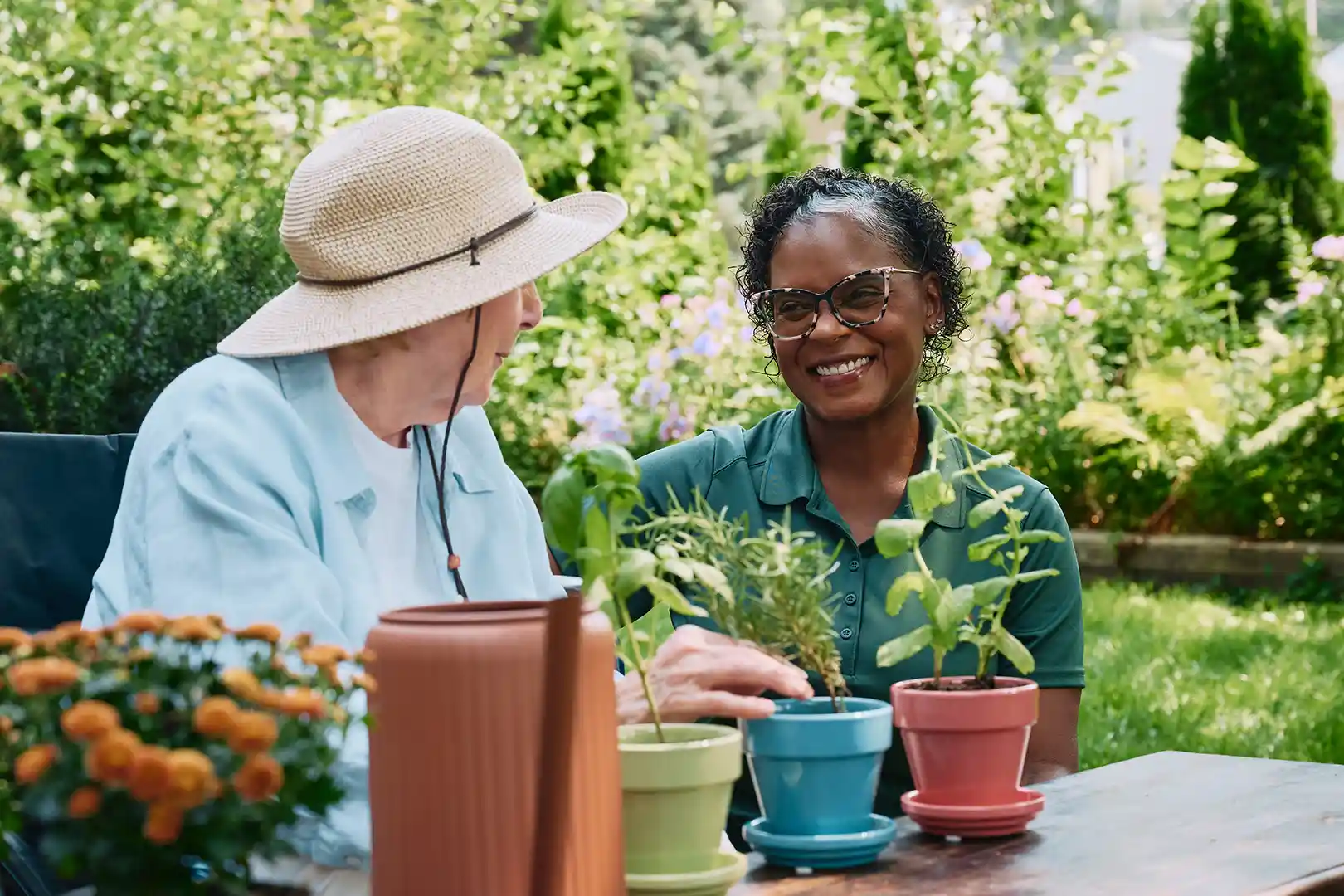
If a senior can no longer garden independently, partnering with others transforms the experience. Families, neighbours, grandchildren, or professional Care Pros can share both the work and the rewards.
Home Instead Toronto East matches Care Pros with clients based on shared interests, allowing relationships to develop through activities clients enjoy most. Our Activity Training Guide helps Care Pros generate creative ideas to keep seniors engaged.
“Our Care Pros not only garden, but participate in other activities their clients enjoy, such as cooking, scrapbooking, arts and crafts, and attending performances and other cultural events,” Hogan says. “We like to involve our clients as much as we can in the interests they’ve always enjoyed.”
Getting Started in The Beaches, East York, or Scarborough
Whether your parent or older loved one has gardened for decades or wants to try something new, our companion care services can help. Our Care Pros assist with:
- Planting and maintaining container gardens
- Shopping for seeds, plants, and supplies
- Watering and tending plants
- Harvesting vegetables and herbs
- Enjoying the therapeutic benefits of gardening together
Contact us to find a Care Pro who shares your loved one’s interest in gardening. Together, they can create beautiful container gardens, tend indoor plants, or maintain small outdoor spaces that bring joy throughout the seasons.
For additional gardening information and growing zone maps, visit Garden.org.