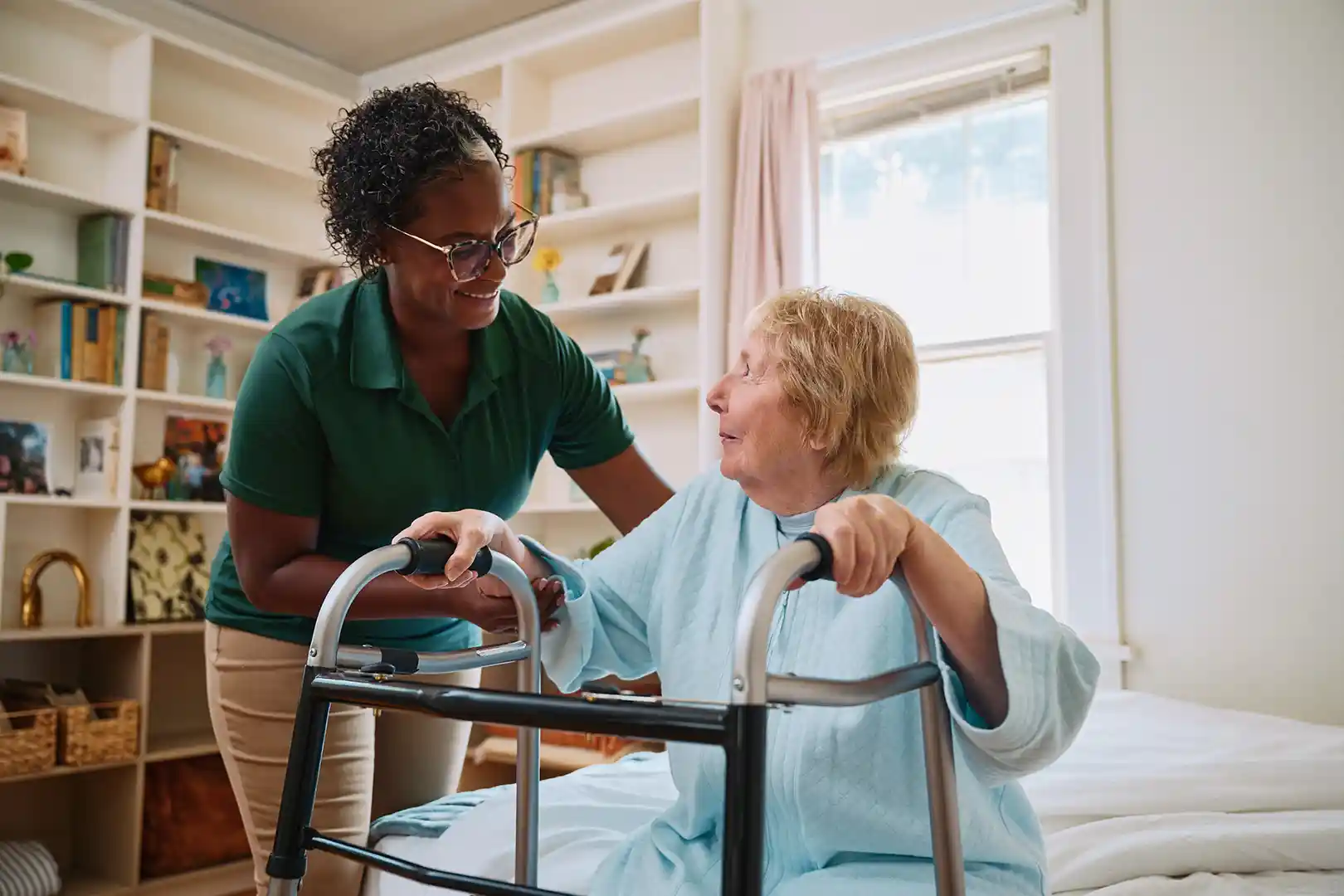
Caring for an aging parent or relative challenges even the most capable families. Across Toronto East—in The Beaches, East York, and Scarborough—adult children balance demanding jobs, raising their own families, and helping parents who need support at home.
This is the “sandwich generation”: caught between caring for children and aging parents simultaneously. Currently, one quarter of Canadian adults provide care to an aging parent, relative, or spouse. A Home Instead survey found that 72% of these family caregivers receive no help from other family members.
The numbers tell us this situation will intensify. By 2030, 20% of Canada’s population will be over 65, meaning more families will face these caregiving challenges.
Who Becomes the Family Caregiver?
Typically, it’s the eldest daughter or the adult child living closest to the parent needing care. Spouses represent nearly half of all family caregivers—often facing the most intensive demands, especially when their partner requires around-the-clock assistance.
The Ontario Caregiver Organization provides education, a helpline, and practical tools to help Ontario families navigate these responsibilities. Canadian caregiving resources offer additional nationwide support and information.
Keeping Seniors Safe at Home
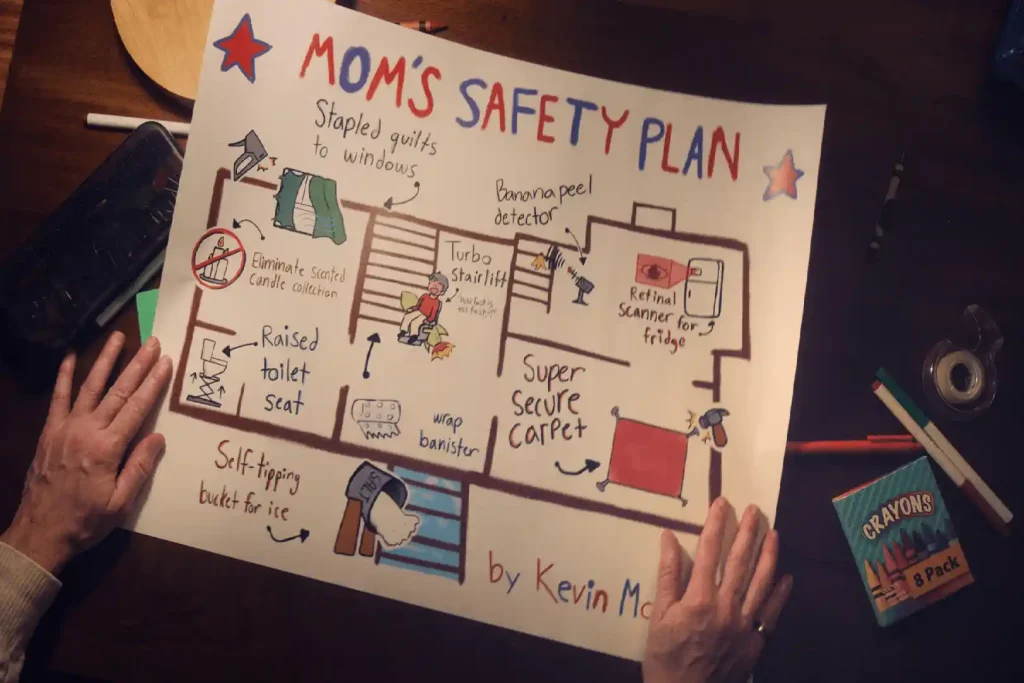
Before addressing communication and stress management, start with physical safety. Simple environmental changes reduce fall risks and other hazards:
- Keep spaces uncluttered and well-lit
- Remove tripping hazards like throw rugs and electrical cords
- Eliminate fire risks: supervise candles, matches, and smoking materials
- Secure medications, cleaning supplies, and harmful substances
- Install nightlights in hallways, bedrooms, and bathrooms
- Add grab bars and non-skid tape in tubs and showers
- Consider bed rails if needed
Ontario Health atHome resources and Canada.ca’s self-care for caregivers guide provide additional safety and practical support information.
Communicating Respectfully with Seniors
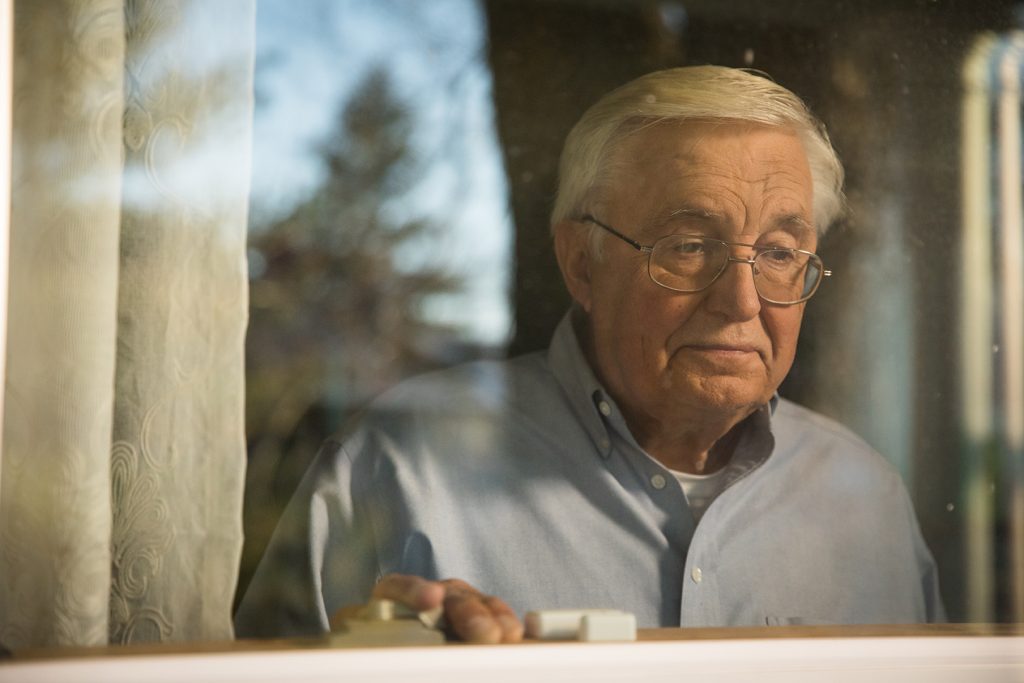
Family dynamics shift when adult children assume caregiving roles. This role reversal feels awkward for everyone. When a parent has Alzheimer’s disease or dementia, communication becomes more complex.
One fundamental rule applies: always speak respectfully. Seniors may not understand every word, but they recognize a condescending or dismissive tone immediately.
For Dementia Communication:
- Use familiar terms and concrete words
- Keep sentences short and simple
- Ask yes/no questions or offer limited choices
- Avoid abstract concepts or complex explanations
The Alzheimer Society of Canada offers detailed communication guidance specifically for families supporting someone with dementia. Their tips for reducing caregiver stress address both communication challenges and emotional well-being.
When Verbal Communication Fails: Redirect the situation rather than forcing conversation. Take a walk together, offer a favourite snack, play familiar music, or watch a beloved TV program. If your parent has a verbal outburst, acknowledge it calmly without taking it personally—reacting with anger typically escalates the situation.
Additional communication strategies are available through Family Caregiver Alliance.
The Hidden Cost: Caregiver Burnout
Home Instead surveys reveal concerning statistics: 31% of family caregivers want more help, 25% resent other family members who don’t contribute, and 55% experience moderate to severe stress.
Caregiving strain intensifies when you’re also managing a job, raising children, maintaining relationships, and travelling distances to provide care. The demands compound quickly.
One essay contest winner captured it perfectly: “A worn-out caregiver is good to no one.” When you neglect your own health, you become unable to help the person who needs you.
Practical Stress Management for Caregivers
Physical Health:
- Exercise for at least 20 minutes at least three times weekly
- Consider yoga or tai chi for stress management
- Eat well: fresh fruits, vegetables, proteins, whole grains
- Attend your own medical appointments—no excuses
- Sleep adequately when possible
Mental and Emotional Health:
- Practice meditation or deep breathing exercises
- Join a caregiver support group for shared understanding
- Accept help from family, friends, or professional Care Pros
- Set realistic expectations for yourself
Mental Health Commission of Canada focuses specifically on caregiver mental health and stress management. Care For Caregivers offers free resources, peer support, and webinars for Canadian caregivers.
Virtual options like VON’s Monthly Caregiver Support Group provide connection without requiring travel—particularly valuable for time-pressed caregivers.
brainXchange aggregates dementia and caregiver support resources in one accessible location.
Getting Professional Support in Toronto East
Many families reach a point where they need professional help to sustain their caregiving role. That’s not failure—it’s practical planning.
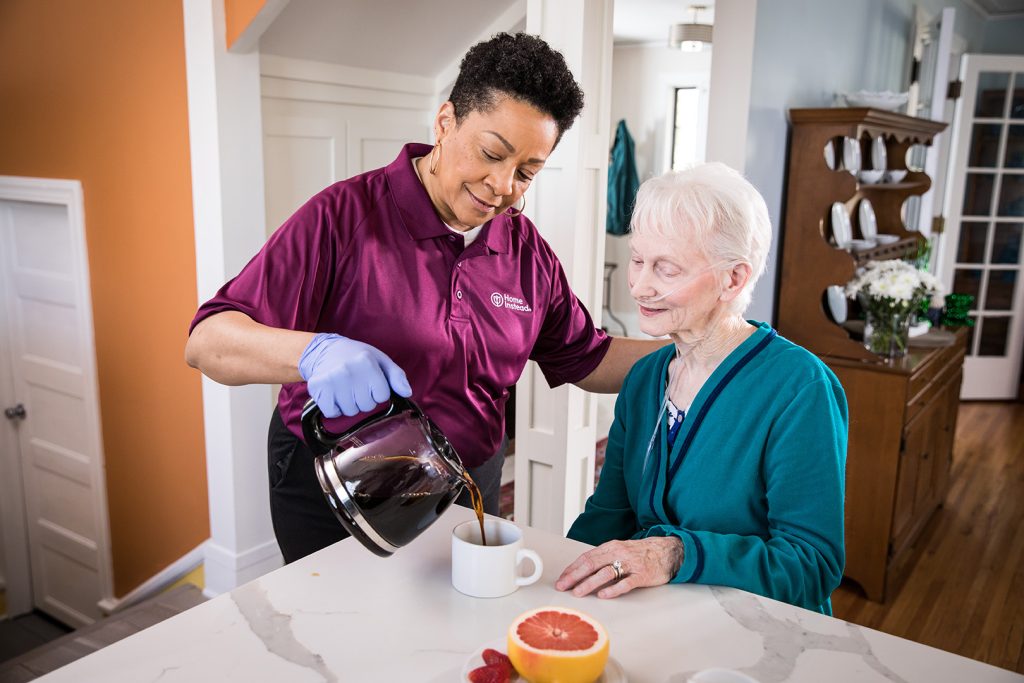
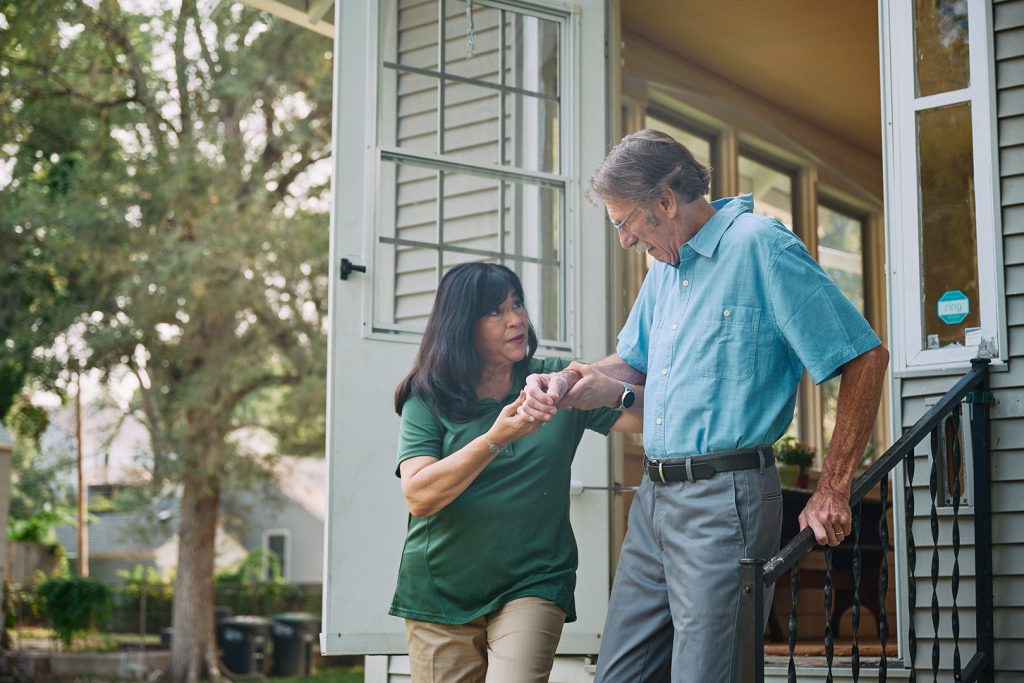
Home Instead Toronto East provides companion care and personal care services that give family caregivers essential breaks while ensuring their loved ones receive quality support. Our Care Pros can assist with:
- Companionship and conversation
- Meal preparation and light housekeeping
- Transportation to appointments
- Medication reminders
- Personal care assistance
- Respite care for family caregivers
This support lets you remain an involved, loving family member rather than an exhausted caregiver struggling alone.
Take the Next Step
If you’re feeling overwhelmed by caregiving responsibilities, or if you simply want to explore what support might look like for your family, request information about our care services. We’ll discuss your specific situation and how we can help.
Caring for aging parents represents one of life’s most meaningful responsibilities. With the right resources and support, you can fulfill that role without sacrificing your own health and well-being.